













Terminale di pesata PUE CY10

Radwag Bilance e sistemi di pesatura
Selected language Italiano
Terminale di pesata PUE CY10
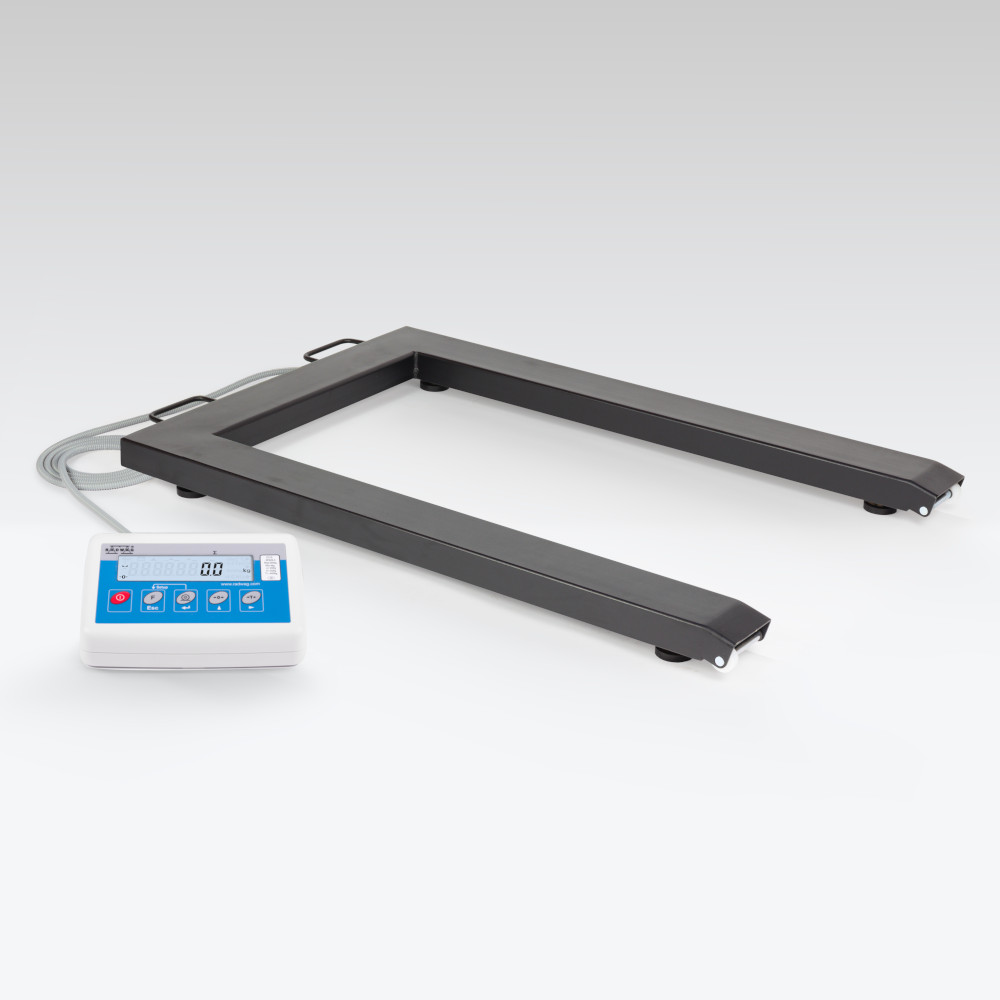
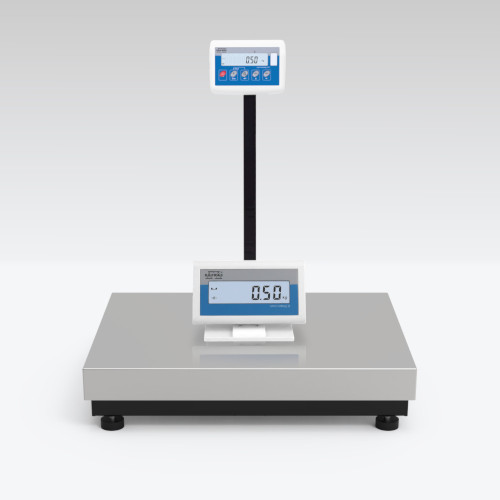
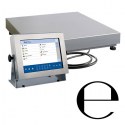
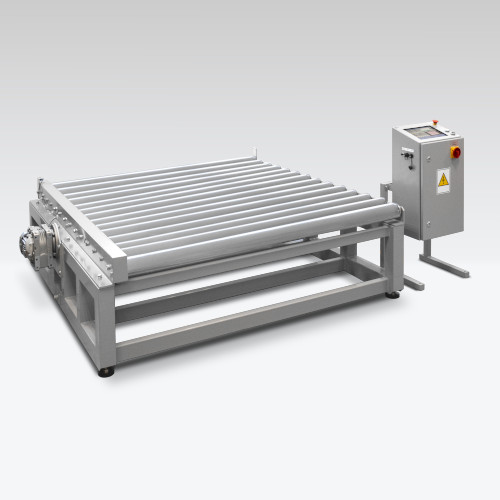
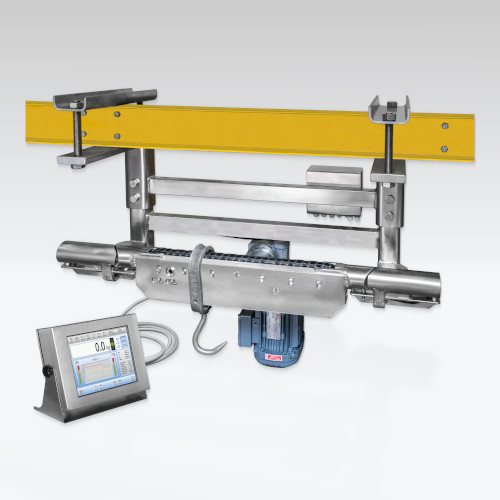
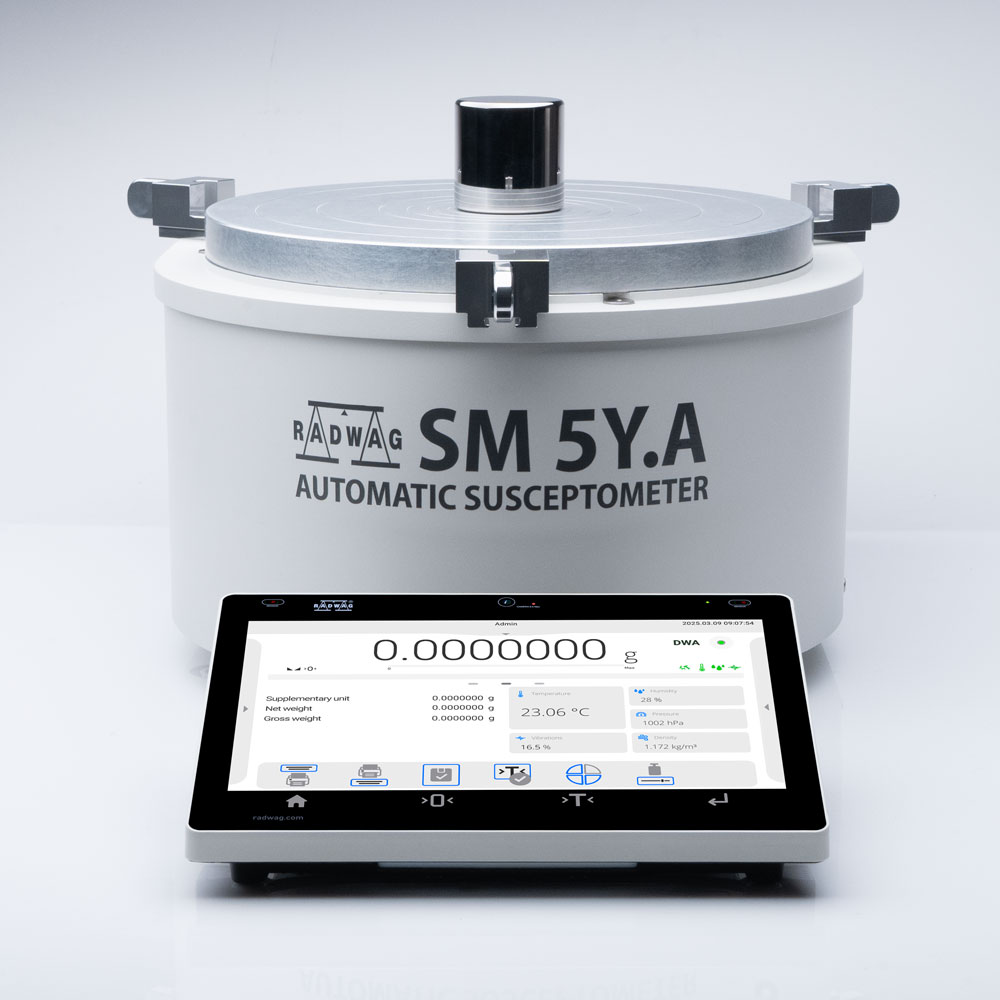
This image is for reference only.

Terminale di pesata PUE CY10

Codice prodotto: WX-008-0217
close
Seleziona modelli:
Terminale di pesata PUE CY10
Select all
Vista
Salva
Caratteristiche generali

 
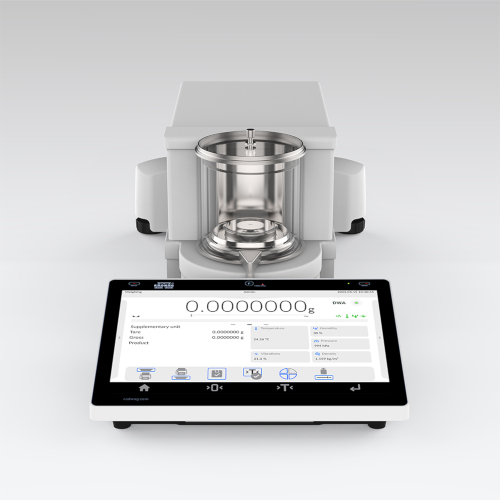
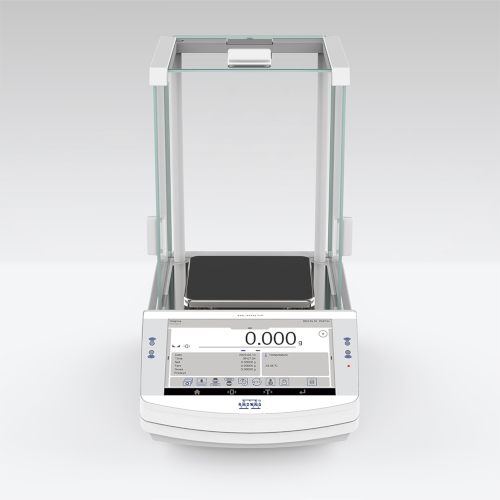
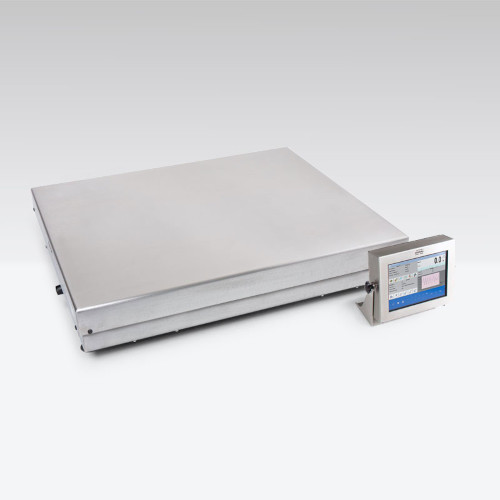
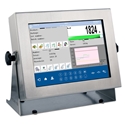
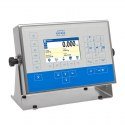
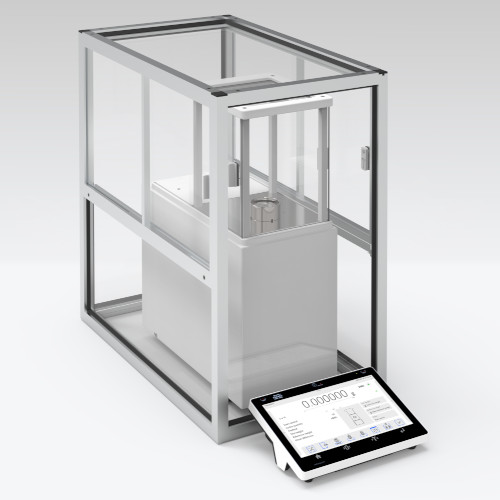
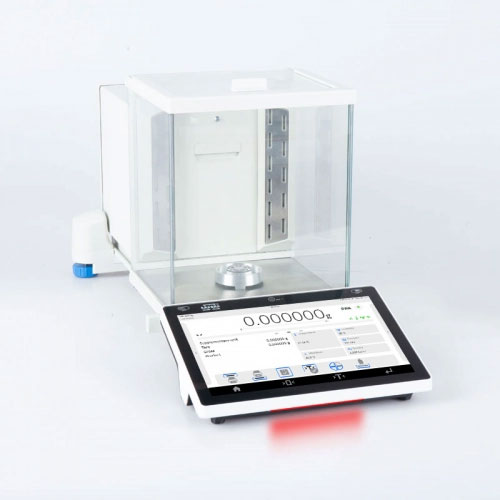
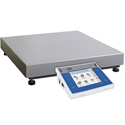
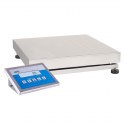
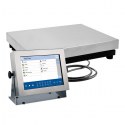
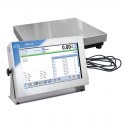
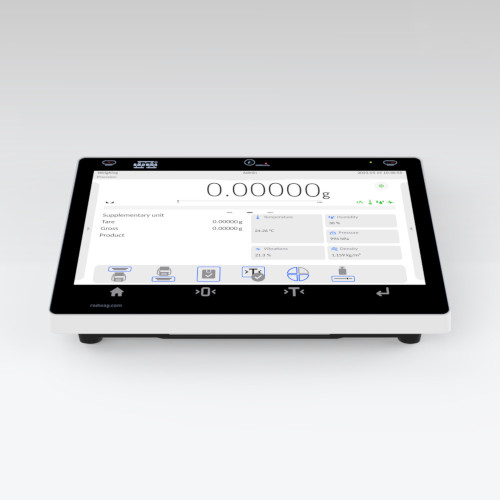
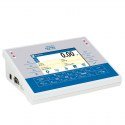
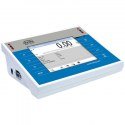
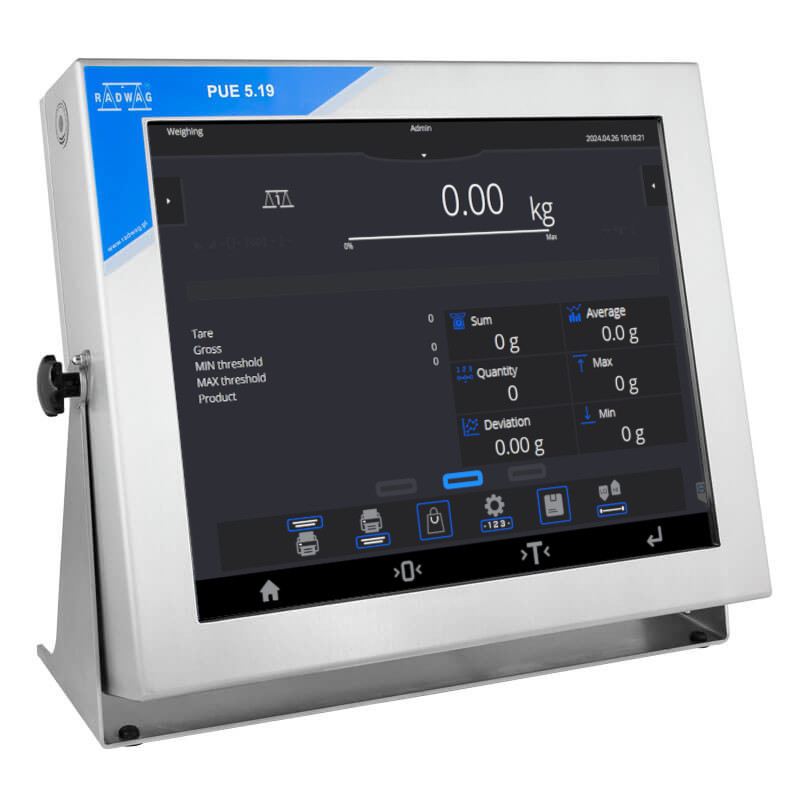
Il terminale PUE CY10 è l'unità di controllo delle bilance di precisione e delle bilance a piattaforma monosensore della serie CY10. È dotato di un involucro resistente con grado di protezione IP 43 e di numerose interfacce di comunicazione, tra cui Ethernet, hotspot e Wi-Fi® (elenco completo di seguito).
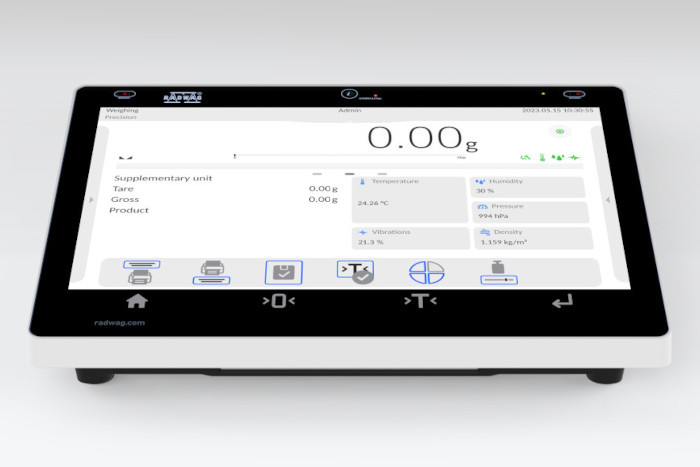


Innovazione all'altezza di ELLIPSIS

Il terminale PUE CY10 possiede tutti i vantaggi del terminale 5Y utilizzato nelle bilance della serie ELLIPSIS, ovvero:
  • display touchscreen da 10 pollici;
  • metodo di autenticazione dell'utente senza compromessi;
  • hotspot: utilizza la bilancia su qualsiasi dispositivo ad essa collegato, che sia uno smartphone, un tablet o un computer;
  • RFID, consente l'accesso a funzionalità definite tramite identificazione radio;
  • note di testo Live Note;
  • comandi vocali impartiti al dispositivo;
  • cronologia delle misurazioni a portata di mano nell'ambito di Handy Library;
  • widget, progettati per visualizzare ciò di cui hai più bisogno in quel momento;
  • avvisi luminosi Ambient Light: il colore della retroilluminazione ti indicherà lo stato, i risultati dei processi, le procedure o gli avvisi.
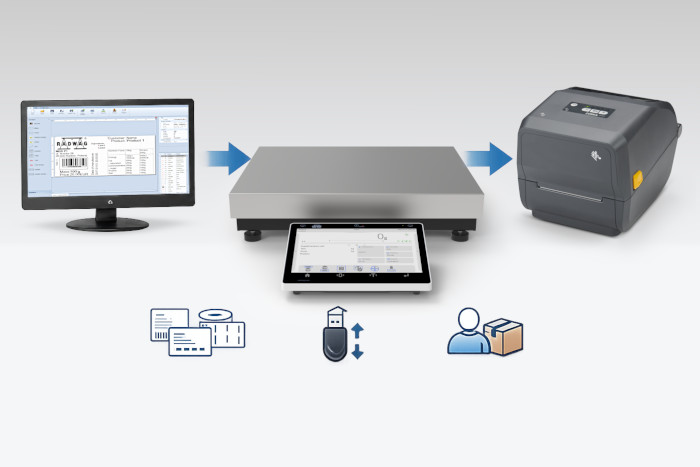


Funzionalità della bilancia etichettatrice

Il terminale PUE CY10 è stato potenziato con caratteristiche tipiche delle bilance etichettatrici:
  • funziona con il software Editore Etichette R02,
  • è compatibile con le stampanti di etichette ZEBRA,
  • supporta etichette singole, multiple e multiple da multiple,
  • consente l'importazione/esportazione di modelli di etichette tramite chiavetta USB,
  • permette di assegnare etichette alla merce o al cliente e di stampare un'etichetta globale.


Software per applicazioni speciali

Il software del terminale PUE CY10 offre una serie di funzioni innovative che  semplificano il lavoro quotidiano con la bilancia:
  • compatibilità con un massimo di 2 piattaforme di pesatura,
  • aggiornamento dei dati statistici separatamente per ogni merce o globalmente,
  • modalità “Tara” ampliata con la possibilità di lavorare in modalità “Emissione del prodotto finale”.


Modbus TCP/IP

è uno dei protocolli di comunicazione più diffusi nell'automazione industriale. La sua implementazione nelle bilance 5Y e CY10 rende i dispositivi di questa serie di facile utilizzo per gli integratori di automazione. 
 
In un sistema Modbus, la bilancia è uno slave ed esegue i compiti definiti dal master, che di solito è un PLC. Il protocollo Modbus TCP/IP delle bilance 5Y e C10 consente, tra l'altro, di realizzare le funzioni di lettura del peso, azzeramento e tara, nonché di impostare la tara e le soglie MIN e MAX.


Wi-Fi® is a registered trademark of Wi-Fi Alliance®.
Specifiche
Display

10″ graphic colour touchscreen

Punteggio IP

IP 43

Struttura

ABS + aluminum

Interfaccia

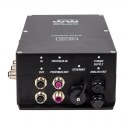
2×USB-A, USB-C, RS 232 (COM3), HDMI, Ethernet, Wi-Fi®, Hotspot

Alimentatore

12 – 15 V DC

Consumo di energia

1 A

Quantita massima di unita verificate

10000

Minimum volatge per verification unit

0,4 µV

Maximum voltage per verification unit

3,25 µV

Impedenza della cella al carico minimo

50 Ω

Maximum load cell impedance

1200 Ω

Tensione di eccitazione della cella di carico

5V

Incremento massimo del segnale

19,5 mV

Connessione di celle di carico

4 or 6 wires + ekran

Ambiente di lavoro

-10 – +40

°C

Sistema operativo

Linux

Processore

quad-core Broadcom 1,5 GHz

Memoria

16 GB, 2GB RAM

Multi scala

YES

Numero massimo di piattaforme

max.2

CE
Verifica Additional fee
for verification
Garanzia 2 anni
Video
Complete Solutions for Mass Measurement in Pharma Industry
PUE CY10 – Modern Technology in Industry
What Interfaces do RADWAG Balances Have? Wi-Fi®, USB, Ethernet, HDMI and More!
Precision and Working Comfort – Operating RADWAG Balances in Every Glove!
New Menu Language in 5Y Series Balances: Japanese
Funzioni
Autotest

Autotest

Diagnostic function aiming at metrological parameters determination (repeatability), the parameters are determined for the actual conditions of use. When speaking of repeatability it may be also used for weighing time optimization. Autotest is operated in an automatic mode thus operator’s time is saved.
Dosing

Dosing

Weighing process for which reference mass has been determined together with tolerance for its determination. Dosing tolerance is given in [%] and it is calculated in relation to the reference value thus being a permissible deviation of this process. This solution is used for weighing powders, liquids and loose materials. Dosing function performance is often supported with bargraph - load indicator. For industrial scales it is possible to use a control systems of dosing process.
Percent Weighing

Percent Weighing

Percent Weighing function is used for comparision of measured products with mass standard. Mass of a mass standard may be a numeric value taken from a database or it may be determined through a measurement process. Each measured product is compared to mass standard, mass of which is presumed as a model 100% ideal mass. For products weighing less than the mass standard, obtained results are lower than 100%, for products weighing more, the obtained results are greatly  exceeded.
Parts counting

Parts counting

Function using mass measurement for determination of  measured items quantity. Mass of a single item is required for this process. It may be either estimated through weighment or taken from a database. For items counting the following algorithm is used: all items mass / single item mass = quantity. Function operation is supperted by a mechanism of Automatic Correction of Accuracy. This allows to update single item mass in course of the process. To a certain extend Automatic Correction of Accuracy eliminates error which may be a result of different mass values of seemingly alike single elements. For industry solutions items counting may be simultaneously carried out with checkweighing and dosing thus industry solutions feature audio signalling base informing that specified number of items has been weighed. It is possible to apply weighing systems using few platfroms of different MAX capacities and different accuracies.
Peak hold

Peak hold

Function registering the greatest temporary indication occurring in course of the weighing process. It is most often used in medical scales in order to hold the measurement indication.
Formulation

Formulation

Function supporting the mixture making process, wherein the mixture contains various components. Formulation function usually uses the balance/scale database of components. Formulation serves for monitored checkweighing of every single component with a given tolerance. It is enriched with a set of individual settings.
Statistics

Statistics

Statistiscs function registers and analyses performed measurements. This supplies the user withthe following information: Max and Min standard deviation, average value, variance, range et.
Checkweighing

Checkweighing

Checkweighing function is used for checking whether the measured sample mass is within the predefined threshold values, Low [LO] and Hgh [HI]. The thresholds are given in [g] and [kg] units. Current state of a sample being measured is signalled by means of pictorgams located on a display for laboratory balances, for industrial scales Stackligt System is used. This visual +/- inspection is in operation during segregation, control or packing process of products for which mass has bees determined with a specifaied tolerance, eg. 12860 g ± 5 g
IR sensors

IR sensors

Programmable function supporting the weighing process through control of the following options: sliding weighing chamber doors, printout, zeroing, tarring etc. Especially appreciated wherever preventing the balance from soiling is important.
GLP Procedures

GLP Procedures

Diagnostic function allowing to objectively document performed measurements. GLP procedures may be either presented in a short report form or extended one.
Animal weighing

Animal weighing

Process of mass determination for a product which may unwillingly reposition within the weighing pan. Mass determination in such cases requires much longer period of time when compared to typical weighing process. It is the user who defines period of time needed for control of measured product mass. The user can thus optimize the function depending on the measured product characteristics.
Pipettes Calibration

Pipettes Calibration

Function verifying correctness of piston pipettes functioning, the verification is performed via gravimetric measurement of the excreted liquid. Pipettes calibration may be either a stand-alone module or it may be operated
Air density correction

Air density correction

Function performing correction of mass measurement indication, wherein the air density is taken into account. It is used in balances with reading unit < 0,01 mg.
Density determination

Density determination

Liquid or solid body density function uses the Archimedes principle and it requires a special kit to be applied. The kit when used, replaces a weighing pan. For solids mass of the sample must be determined first in the air, next in the liquid of specified density. For liquids the so called sinker, density of which has been determined, must be measured first in the air, next in the tested liquid. The density determination process is disturbed by air bubbles which may stick either to the measured sample or the sinker. In case of laboratory equipment very light solids may be measured. For industry, solid bodies density may be determined by means of  under-pan weighing. Tested load of significant size may be measured this way.
Differential weighing

Differential weighing

Differential weighing informs about mass variation a particular sample, wherein the said variation is a result of manufacturing processes.

Differential weighing is often applied in product control process, for which reference product parameters have been specified in order to be used as a source of comparison for the whole series.
Insuchcasestandard deviation is the information which tells about quality and completeness of a final product. For systems based on a feed-back technique such information may be used by control units.
Ambient conditions monitoring

Ambient conditions monitoring

The possibility of cooperation with the THBR 2.0 system
Statistical Quality Control

Statistical Quality Control

Statistical control for determination of basic statistical criteria: maximum, minimum, standard deviation, mean values for each batch, etc.
Packaged Goods Control

Packaged Goods Control

Pre-packaged Goods Control mode enables to collect weighings from RADWAG-designed weighing instruments, carry out control and generate PGC reports. Different types of weighing instruments can be combined into a network. The control can be started on a balance or via computer software. It is automatically finished after a respective quantity of packages is verified.
Collected data allows you to assess quality of produced pre-packaged goods and their conformity with:
- internal quality control system;
- 'Pre-Packaged Goods' regulation of 7th May 2009 (Journal of Laws No 91, item 740), on the requirements concerning quantity inspection of pre-packaged goods control, which inspection is to be carried out by means of random selection of the measurements results and sending those results to pre-packaged goods control procedure.
ALIBI Memory

ALIBI Memory

"ALIBI" memory enables saving and storing up to 100000 measurements.  Measurements are saved automatically upon each pressing of the key. There is no need for any additional operations or changing settings.
The following data related with the measurements is saved: measurement date; measurement time; result (mass); tare value; operator carrying out the measurement (logged in); product name.
The software saves the measurement in a so called loop, i.e. when the measurement no. 100001 is saved, the measurement 1 gets automatically deleted from the memory.
Measurements saved to balance memory cannot be deleted.
You can preview and print out the data saved to the ALIBI database.
Wi-Fi®

Wi-Fi®

Thanks to wireless communication between the computer and a balance, it is possible to use a balance inside a laminar flow hood and a fume cupboard.

Documentazione
Scheda technica Scheda technica
Scheda technica

Vista
Vista
Salva
Salva

Scegli più
prodotti:

Vista Vista SalvaSalva
Software Manual
Software Manual
Vista
Vista
Salva
Salva
(1.24 MB)
Software Manual - CBCP-07
Vista
Vista
Salva
Salva
(1.01 MB)
Start up Guide
Start up Guide
Vista
Vista
Salva
Salva
(3.12 MB)
Software Manual - PUE CY10
Vista
Vista
Salva
Salva
(3.55 MB)
User Manual - PUE CY10
Vista
Vista
Salva
Salva
(1.62 MB)
Software Manual
Software Manual
Vista
Vista
Salva
Salva
(0.95 MB)
Conformity Declarations
Vista
Vista
Salva
Salva
(0.04 MB)
Radwag – Tecnologie avanzate di pesatura
Vista
Vista
Salva
Salva
(35.00 MB)
RFID
RFID
Vista
Vista
Salva
Salva
(0.68 MB)
Hybrid Protective Glass
Vista
Vista
Salva
Salva
(1.86 MB)
Terminals and Platforms
Vista
Vista
Salva
Salva
(3.70 MB)
Accessori
Tag RFID

Accessori

Newsletter

Subscribe to the newsletter if you would like to receive RADWAG news.

View more
Radwag bilance e sistemi di pesatura
Torunska 5
26-600 Radom
Poland
tel.: +48 48 386 60 00
e-mail: export@radwag.com
TIN: PL7960000327
Vimeo Radwag YouTube Radwag Facebook Radwag LinkedIn Radwag
© 2026 Radwag bilance e sistemi di pesatura. Diritti riservati

selezionare

×
Change language AlbanianAlbanian
Change language DanishDanish
Change language NederlandseNederlandse
Change language EstonianEstonian
Change language FinnishFinnish
Change language HungarianHungarian
Change language IcelandicIcelandic
Change language KazakhKazakh
Change language LatvianLatvian
Change language LithuanianLithuanian
Change language MacedonianMacedonian
Change language NorwegianNorwegian
Change language PortuguesePortuguese
Change language RomanianRomanian
Change language RussianRussian
Change language SlovakSlovak
Change language SlovenianSlovenian
Change language SwedishSwedish
Change language UkrainianUkrainian
Change language SerbianSerbian
Change language MontenegrinMontenegrin
Change language page on Português (Brasil) Português (Brasil)
Change language page on Deutsch Deutsch
Change language page on English English
Change language page on Español Español
Change language page on Français Français
Change language page on Japanese (日本語) Japanese (日本語)
Change language page on Polski Polski
Change language page on Türkiye Türkiye
Česky
Change website to USA USA
Change language page on 中文 中文
Presentations Presentations Presentations
Subscribe Subscribe Subscribe
Radwag in Facebook Radwag in Facebook Facebook
Radwag in YouTube Radwag in YouTube Youtube
Radwag in Vimeo Radwag in Vimeo Vimeo
Radwag in LinkedIn Radwag in LinkedIn LinkedIn
Webinars Radwag Webinars Radwag Webinars
Slide to go back ↩